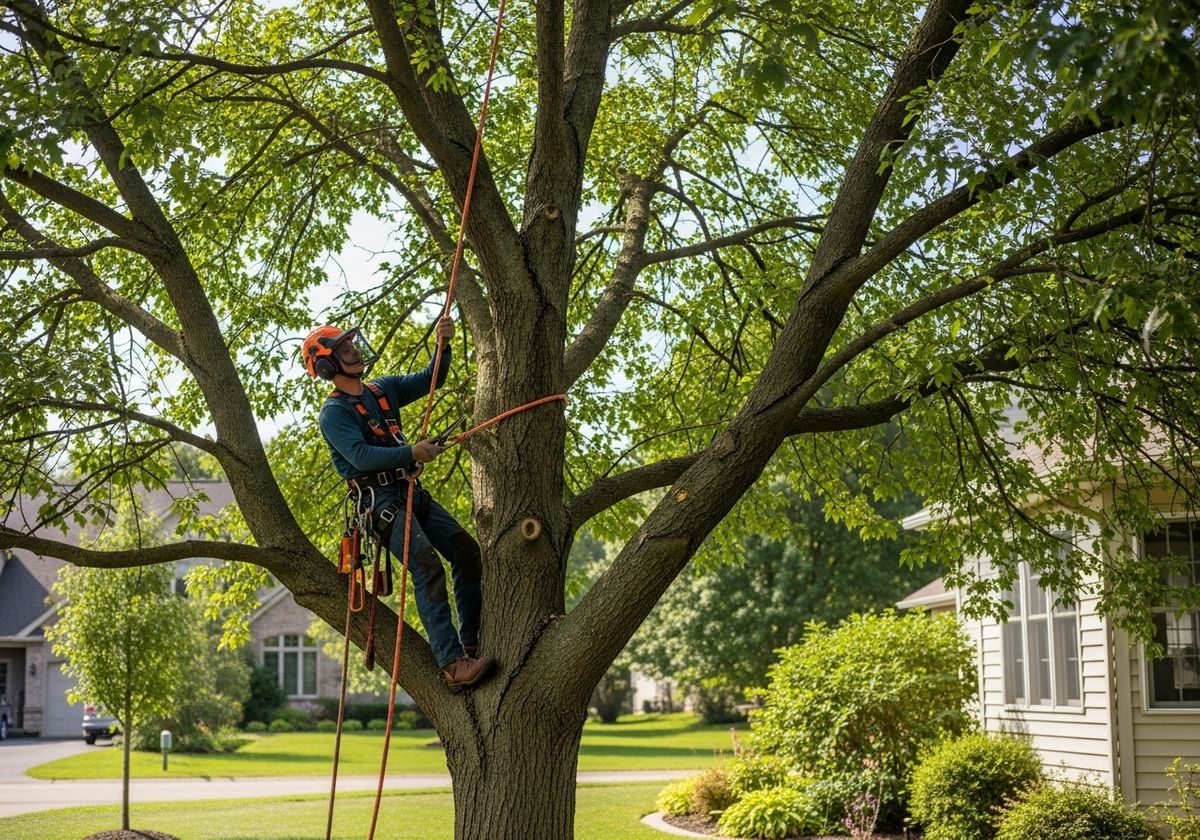
Understanding the nuances of tree trimming is essential for maintaining the health and vigor of your trees. Proper techniques not only enhance their aesthetic appeal but also play a crucial role in promoting healthy growth and preventing potential hazards. Let's explore some effective tree trimming techniques that can help your trees thrive.
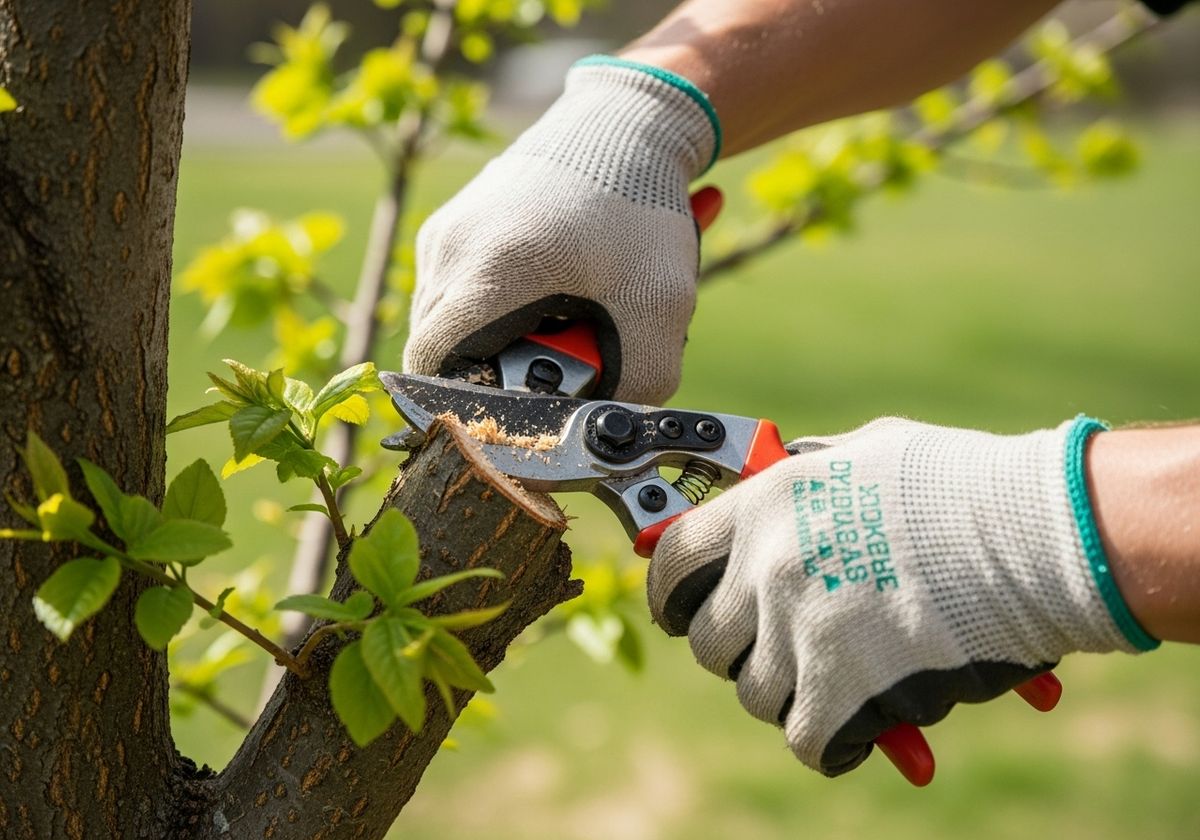
The Importance of Proper Tree Trimming
Tree trimming is more than just cutting off branches. It's a science and an art that requires knowledge of tree biology and growth patterns. Proper trimming techniques can:
Promote healthy growth: Removing dead, diseased, or damaged branches encourages new growth and improves overall tree health.
Improve structural integrity: Strategic pruning can enhance the tree's structure, making it more resistant to storms and other environmental stressors.
Enhance aesthetics: Well-trimmed trees have a more pleasing appearance, adding value to your property.
Increase safety: Removing hazardous branches reduces the risk of property damage and personal injury.
Essential Tree Trimming Techniques
Crown Thinning
Crown thinning involves selectively removing branches to increase light penetration and air circulation within the tree's crown. This technique helps reduce the risk of disease and promotes healthy growth. Focus on removing:
Dead or dying branches
Crossing or rubbing branches
Weak or diseased branches
Crown Raising
Crown raising involves removing lower branches to provide clearance for pedestrians, vehicles, or structures. When raising the crown, be sure to maintain the tree's natural shape and avoid removing too many branches at once.
Crown Reduction
Crown reduction involves reducing the overall size of the tree's crown. This technique is often used to reduce the tree's height or spread, or to improve its appearance. Crown reduction should be done carefully to avoid damaging the tree.
Deadwood Removal
Deadwood removal is the process of removing dead, diseased, or broken branches from a tree. This is an important part of tree maintenance, as deadwood can attract pests and diseases, and can also pose a safety hazard.
The Role of a Tree Removal Contractor
While some tree trimming tasks can be performed by homeowners, it's often best to hire a professional tree removal contractor for more complex or hazardous jobs. A qualified contractor has the knowledge, skills, and equipment to safely and effectively trim your trees. They can also provide valuable advice on tree care and maintenance.
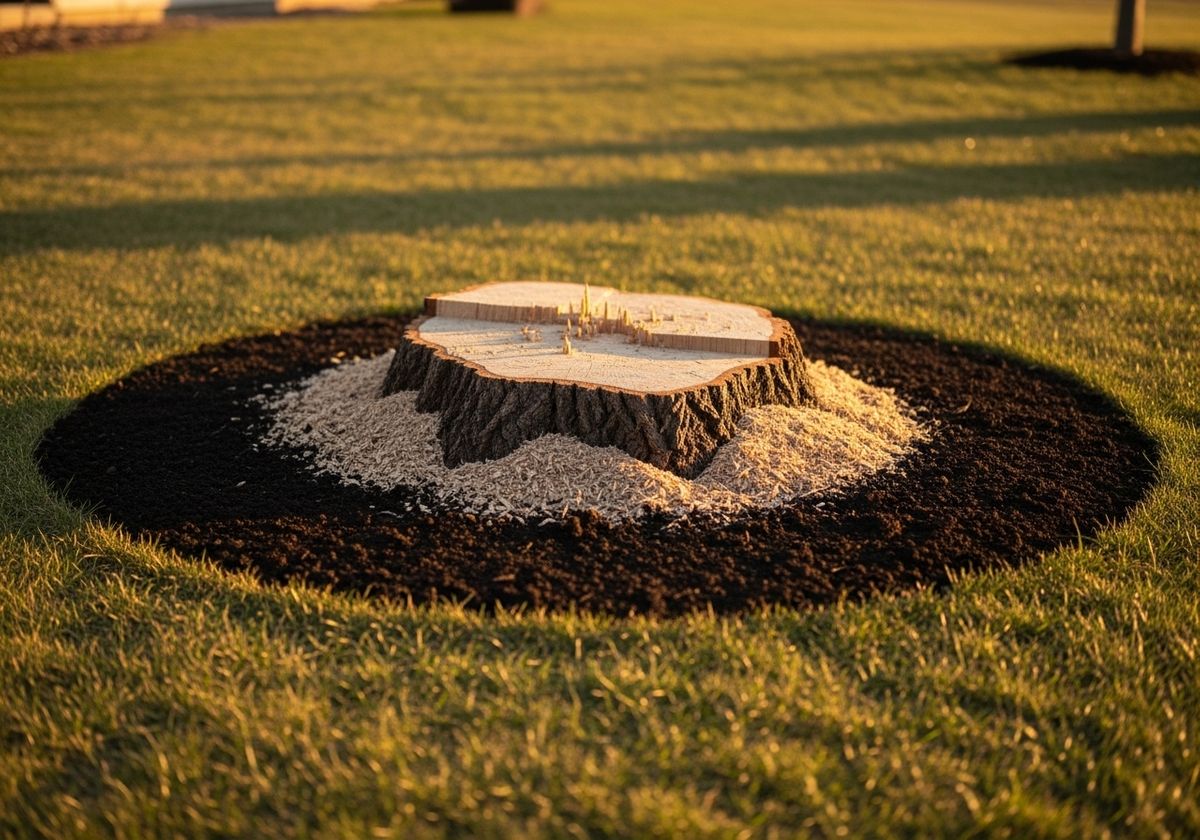
Tree Stump Grinding and Site Preparation
After tree removal, you may be left with an unsightly stump. Tree stump grinding is a process that removes the stump and roots, leaving you with a clean slate for landscaping or other projects. Site preparation may also be necessary to ensure the area is ready for new plantings or construction.
Mastering tree trimming techniques is crucial for the health and beauty of your trees. From crown thinning to deadwood removal, each method serves a specific purpose in promoting healthy growth and structural integrity. While DIY approaches are possible, complex tasks often require the expertise of a professional tree removal contractor. For comprehensive tree care and removal, including tree trimming and pruning, tree stump grinding, and site preparation, trust the experts at 3 B’S Tree Removal. Contact us today for a consultation and let us help you keep your trees thriving! Also, be sure to check out our other blog posts to learn more about how tree care and removal promotes safety and enhances property value.