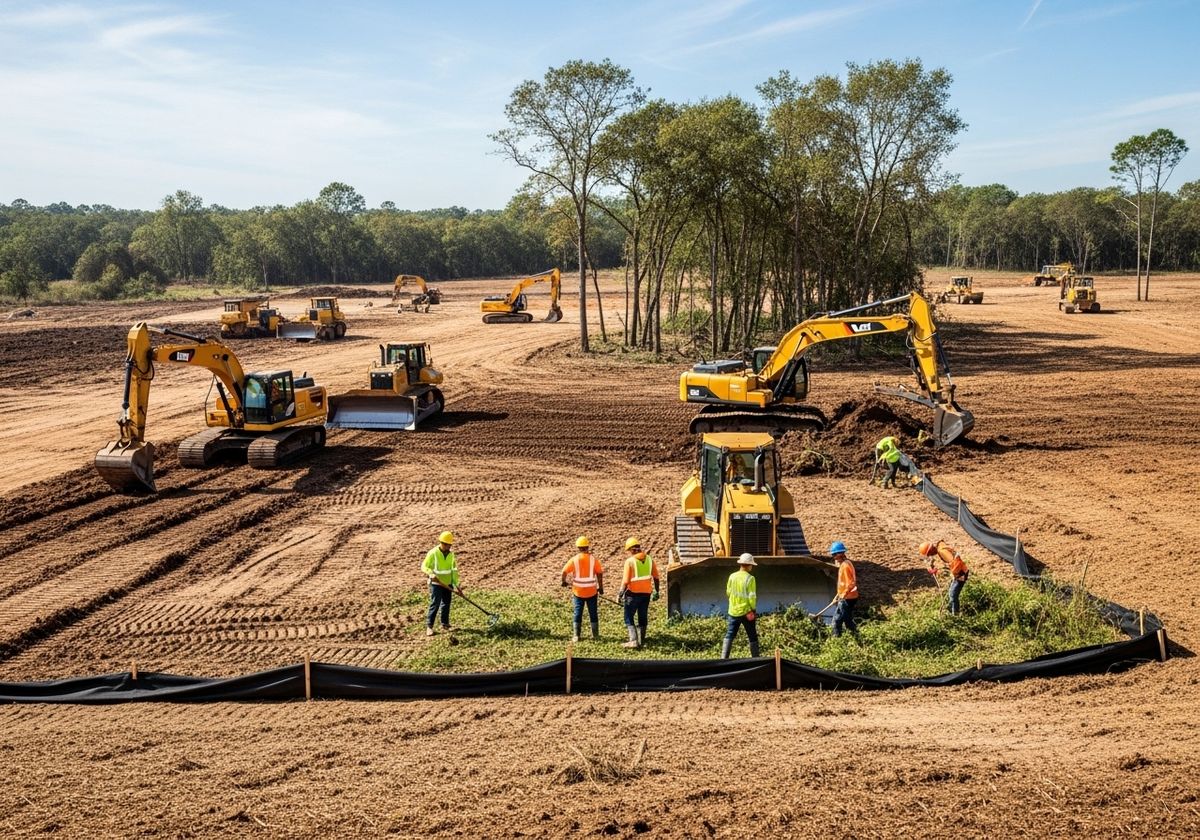
Clearing land can be a significant undertaking, whether you're preparing for new construction, improving your property, or addressing safety concerns. It's essential to approach the process thoughtfully to avoid costly mistakes and environmental damage. Here's a breakdown of the dos and don'ts to guide you.
Dos
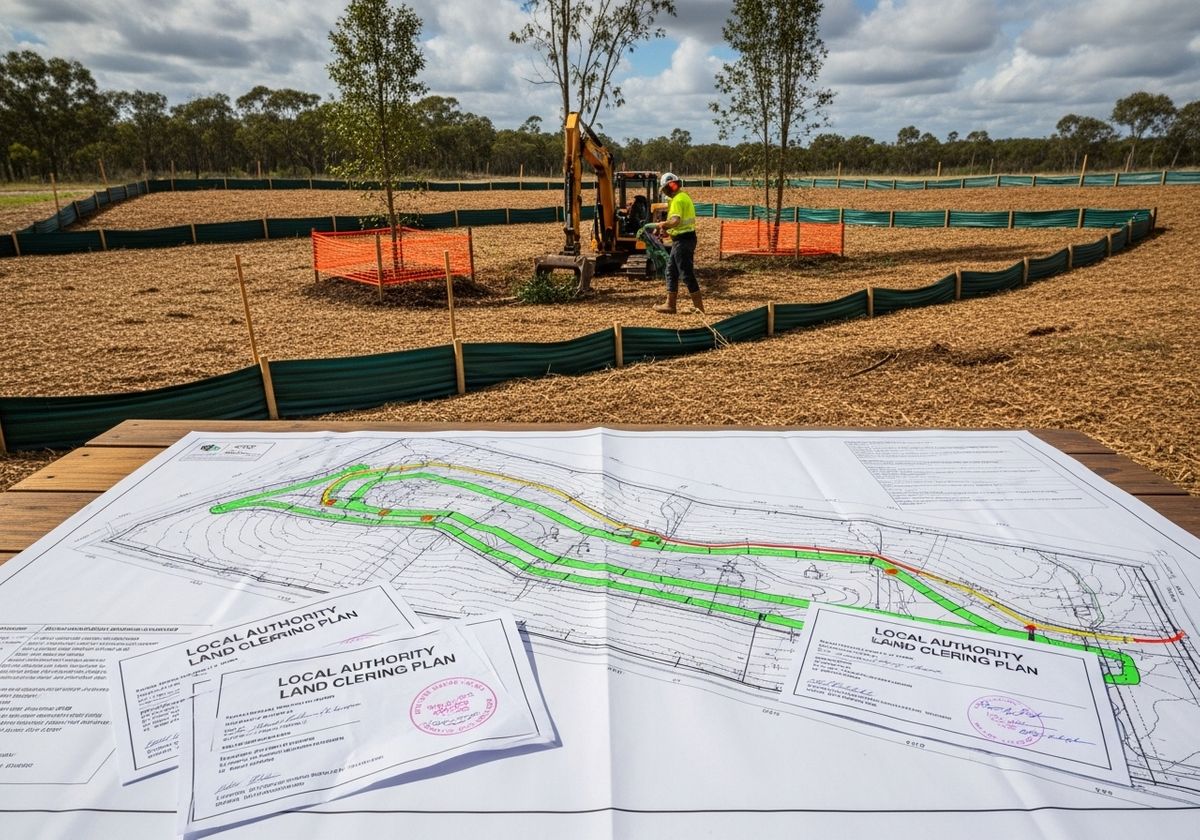
Plan Ahead: Before you begin any clearing, create a detailed plan. Identify the areas that need clearing, taking into account any obstacles like utilities or environmentally sensitive zones. Proper planning can save time and resources.
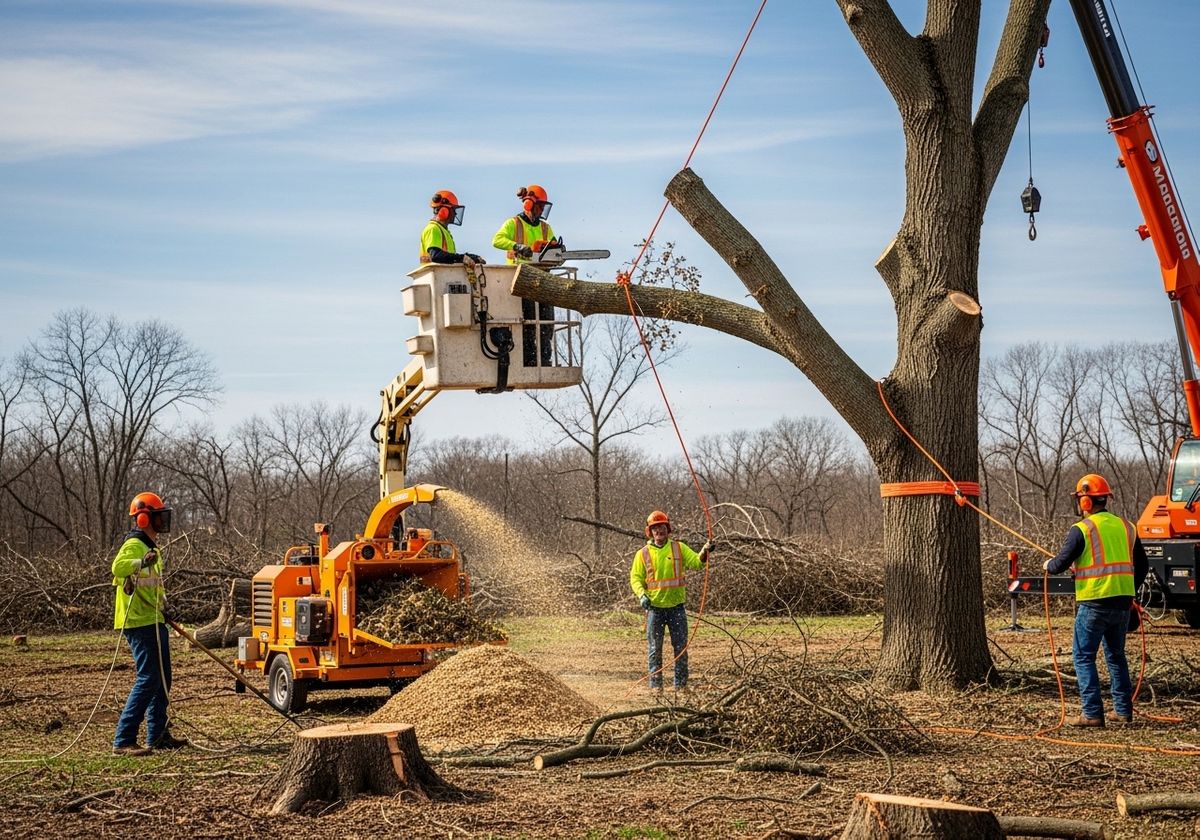
Hire Professionals: For large-scale projects or complex situations, consider hiring a professional tree removal contractor. They have the experience, equipment, and knowledge to handle the job safely and efficiently. They can also help with site preparation.
Obtain Necessary Permits: Check with your local authorities regarding permits for land clearing. Regulations vary depending on your location and the scope of the project. Failing to obtain permits can result in fines and project delays.
Protect Existing Vegetation: Preserve trees and vegetation that you want to keep. Clearly mark these areas to prevent accidental damage during the clearing process. Tree trimming and pruning can help maintain the health and appearance of these trees.
Manage Soil Erosion: Land clearing can expose the soil, making it vulnerable to erosion. Implement erosion control measures such as silt fences, mulch, or temporary vegetation to stabilize the soil and prevent sediment runoff.
Don'ts
Don't Clear Everything: Avoid the temptation to clear every square inch of land. Retaining some trees and vegetation can provide shade, reduce soil erosion, and enhance the aesthetic appeal of your property.
Don't Neglect Safety: Land clearing can be dangerous. Wear appropriate safety gear, including gloves, eye protection, and sturdy footwear. Be aware of potential hazards such as falling trees, power lines, and underground utilities.
Don't Burn Debris Without Permission: Open burning may be restricted or prohibited in your area. Check with your local fire department for regulations and obtain any necessary permits before burning debris. Consider alternative disposal methods such as chipping or hauling.
Don't Damage Waterways: Be careful not to damage or pollute nearby streams, rivers, or wetlands. Establish buffer zones around waterways to protect water quality and aquatic habitats.
Don't Forget About Tree Stump Grinding: Removing tree stumps can be a difficult task. Neglecting to remove tree stumps will make it difficult to develop the land in the future. Consider tree stump grinding to remove them safely and effectively.
By following these dos and don'ts, you can clear land responsibly and efficiently. Remember, proper planning, safety precautions, and environmental awareness are key to a successful project. If you're considering tree care and removal or need advice on site preparation, don't hesitate to reach out to 3 B’S Tree Removal. We offer expert tree trimming and pruning, along with comprehensive tree stump grinding services. Contact us today for a consultation!