Maintaining the health and safety of your property often begins with the trees that adorn your landscape. While they add beauty and shade, a tree that is dead, dying, or dangerous can pose significant risks to your home, family, and other structures. As a family-owned business, 3 B’S Tree Removal understands the importance of proactive tree care. Recognizing the early warning signs can help you address potential hazards before they become critical, ensuring peace of mind and preserving your property’s value.
Discolored or Absent Foliage
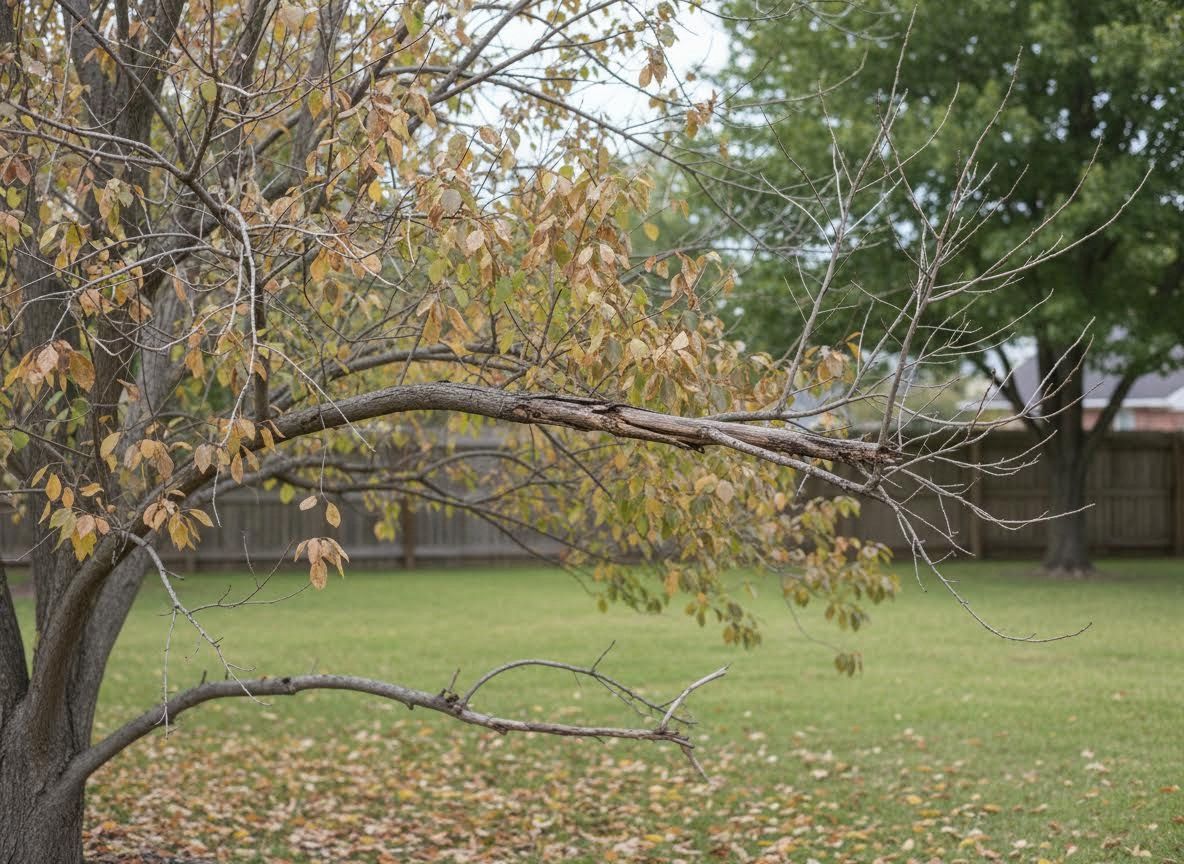
One of the most obvious indicators that a tree is struggling is its foliage. Healthy trees typically display vibrant, full leaves during their growing season. If you notice your tree's leaves are discolored out of season, appearing brown or yellow when they should be green, or if they are unusually sparse, it's a cause for concern. A tree that fails to bud in spring or loses its leaves much earlier than surrounding healthy trees is likely under stress or dying. Dead branches, often brittle and devoid of leaves, are also a clear sign of decline and can be a fall hazard, necessitating tree trimming and pruning.
Bark and Trunk Integrity Issues
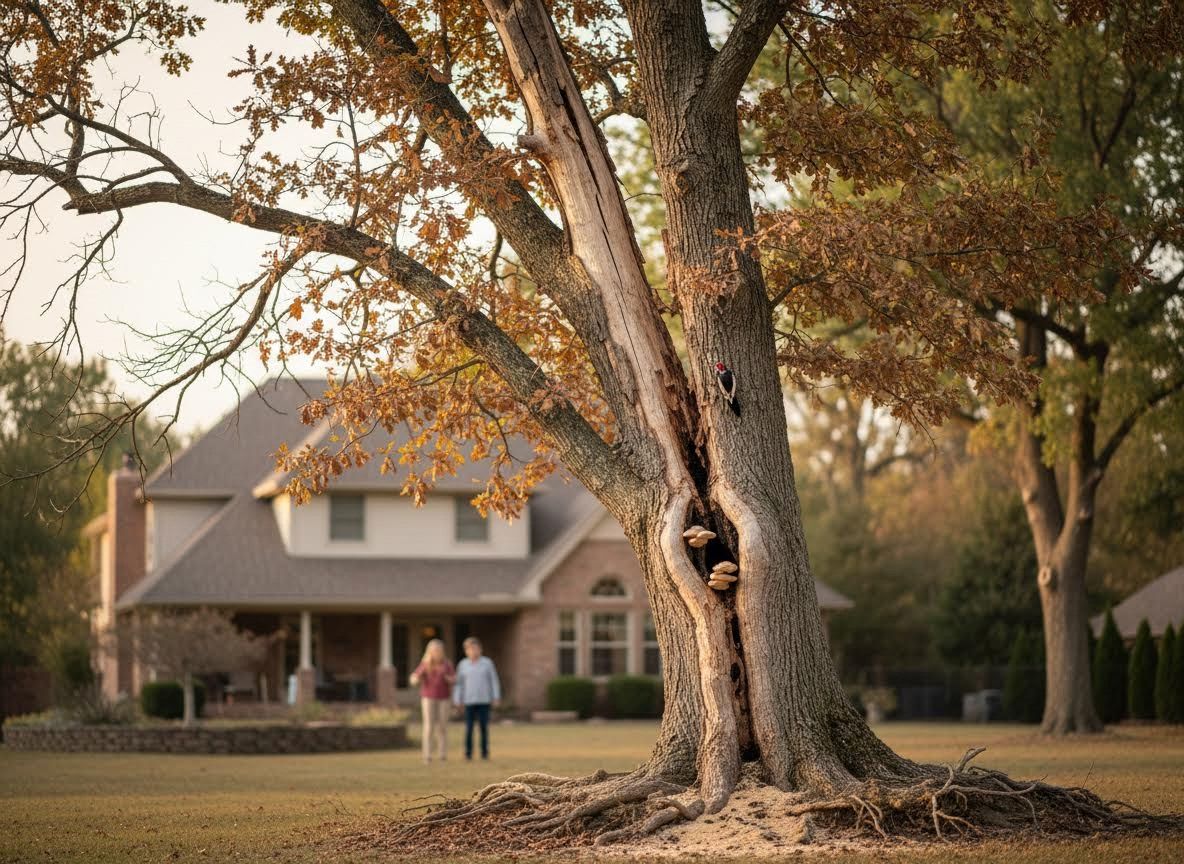
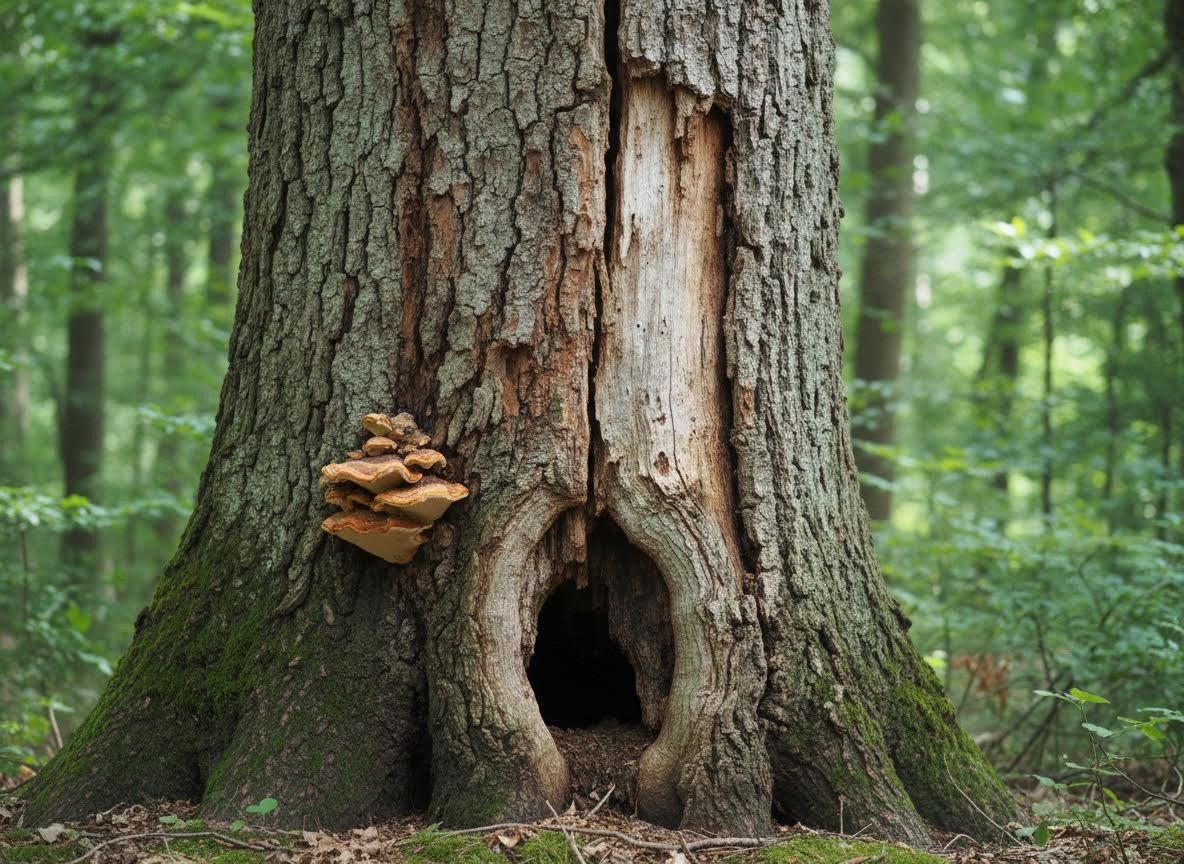
The bark and trunk are the backbone of your tree, and any significant changes here can signal deep-seated problems. Look for large cracks, peeling bark that exposes the inner wood, or areas where bark is missing altogether. Fungal growth, such as mushrooms or conks, emerging from the trunk or base of the tree often indicates internal decay. Cavities, especially large ones, can compromise the structural integrity of the tree, making it vulnerable to breaking during storms. These issues can be signs that a full tree removal contractor assessment is needed.
Significant Leaning or Root Problems
A tree that suddenly develops a pronounced lean, especially after a storm, is a major red flag. This indicates that its root system may be failing to anchor it securely. Examine the ground around the base of the tree for signs of upheaval, such as raised soil or exposed roots. These are strong indicators of instability. Weak branch unions, where two large branches or a branch and the trunk are not strongly connected, can also lead to breaks. Any of these conditions suggests the tree could be a danger, potentially requiring specialized attention from a local tree service.
Pest Infestation and Woodpecker Activity
While some pests are harmless, an active infestation can rapidly weaken a tree. Look for excessive numbers of insects, such as beetles or borers, or signs of their presence like sawdust (frass) at the base of the tree or small exit holes in the bark. Increased woodpecker activity can also be a warning sign, as these birds often target trees with insect infestations or soft, decaying wood. If a tree is severely compromised by pests, it may become unstable and present a hazard, impacting future site preparation if it falls.
Recognizing these warning signs early is the difference between a safe yard and devastating property damage. Don't wait for a dead, dying, or dangerous tree to come down on its own. If you spot any of these red flags, you need a reliable tree removal contractor to step in immediately. At 3 B's Tree Removal, your family's safety is our top priority. As your trusted local tree service, we handle everything from emergency takedowns and expert tree trimming and pruning to complete tree stump removal. Don't leave your property to chance—contact us today for a free assessment!